
Before we started Our First Major Remodel of the kitchen and living room, I had already dipped my toe into smart home and home automation tech. Bringing in all kinds of new smart tech as part of the remodel process caused me to rethink and redesign our home network and scale our automation capabilities.
The Beginning of our Smart Home
Back in 2013, we were one of the first homes in St. Louis to have AT&T's Digital Life service installed. I was an AT&T employee at the time and they were essentially looking for beta testers in the area. The installation wasn't the best - but the service was a decent introduction to some automation and smart home features.
We had an alarm system with sensors on every door and window, glass break and motion detection in a few main spaces, a smart door lock, and some other very basic features. The alarm system and the front door lock got the most usage. The pricing model deterred us from expanding to video, lighting, thermostat, and other features. It wasn't worth the additional monthly cost, and the out of pocket for the devices was pretty steep - especially compared to what you can get now.
The service was discontinued in 2022, but we shut down our service before that as I was already dabbling in other smart tech in more of an a la carte fashion.
Ecobee
Fall of 2014 we replaced our HVAC. Our Furnace and HVAC were both approximately 18 years old and terribly inefficient. I assume the thermostat was too. Google Nest and Ecobee had both recently launched their first generation smart thermostats. I was really intrigued by all the data you could access from the Ecobee, so we had that installed with the new HVAC. This thermostat served us well until Ecobee stopped supporting it in July of 2024, making it no longer a smart thermostat. More to come on the replacement that just happened this week soon.


Plum Lightpad
I had a bit of a Kickstarter addiction going in the early 2010s and back a number of interesting projects. The first Smart Home Kickstarter I was really excited about was the Ube Smart Dimmer, which was eventually renamed the Plum Lightpad. I had them installed in my office, the kitchen, the basement, the hallways, and controlling our front door lights. They were my first foray into motion-controlled lighting and had some other smart features that differentiated them from the competition.
They were unfortunately cost-prohibitive at the time for a whole-home solution. They also stumped a few different electricians we hired to install them alongside some other work. Now there's a basket of them collecting dust in our storage room.


Philips Hue
We've been part of the Philips Hue ecosystem since 2016 when I ordered our first bridge and 3-pack of lights. In a month's time, I ordered a small family of light bulbs and light strips. A few years later I added a few more lights and some dimmer switches. In 2021 I added a motion sensor to control a light in our storage room where our freezer is.
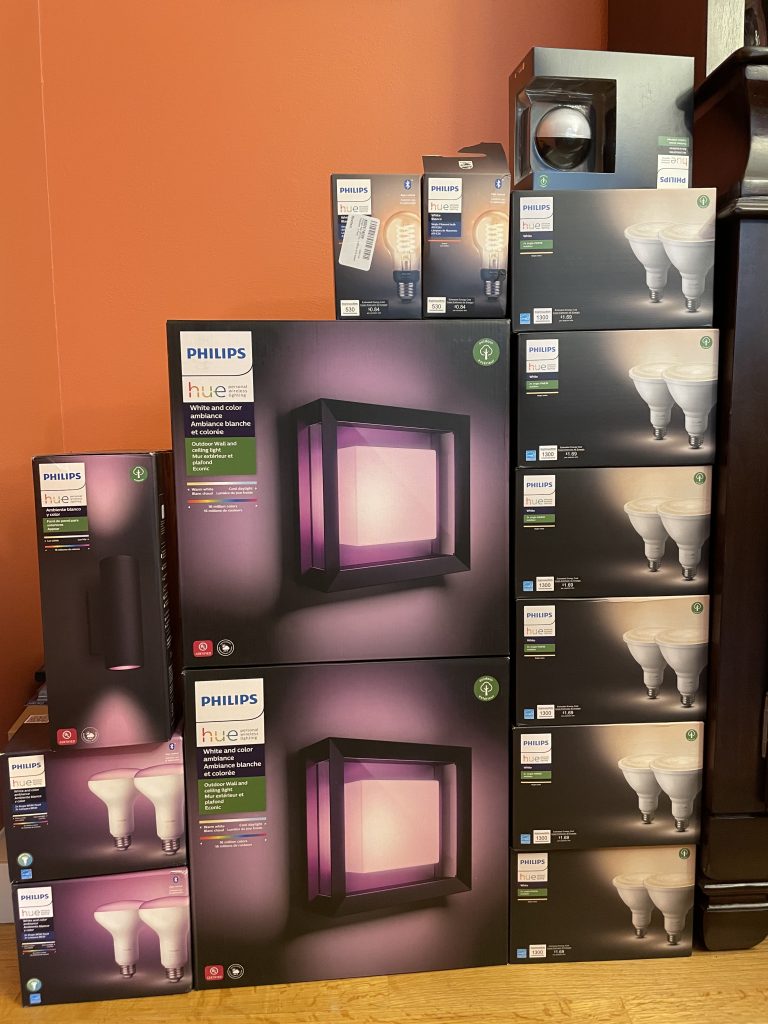
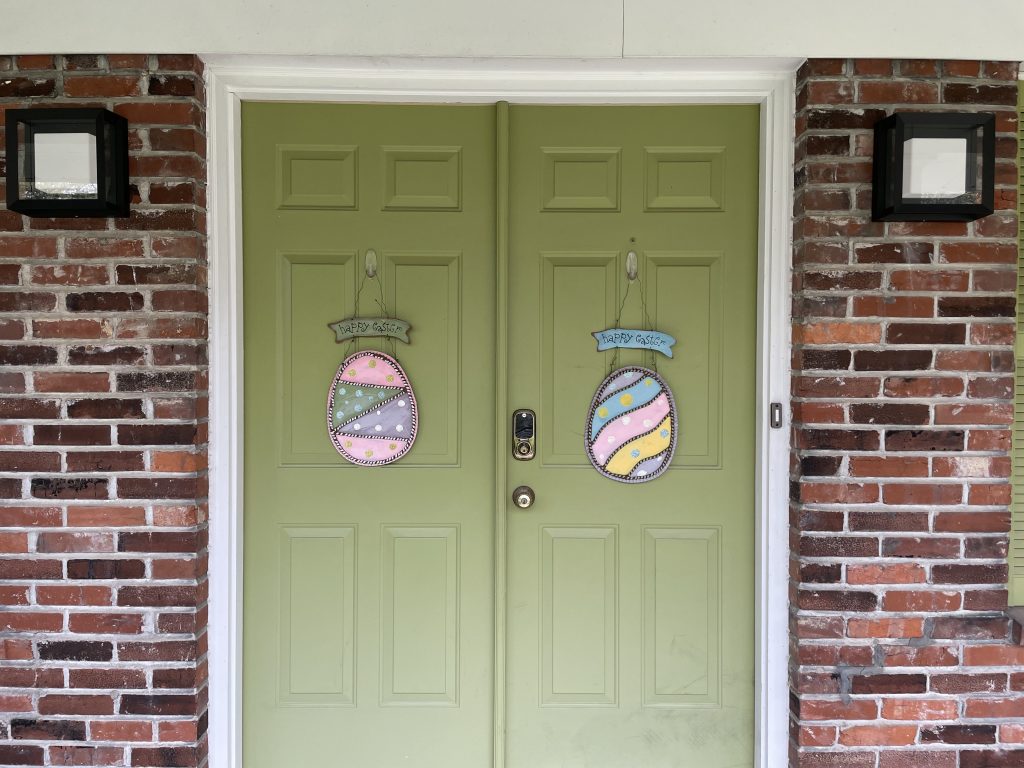
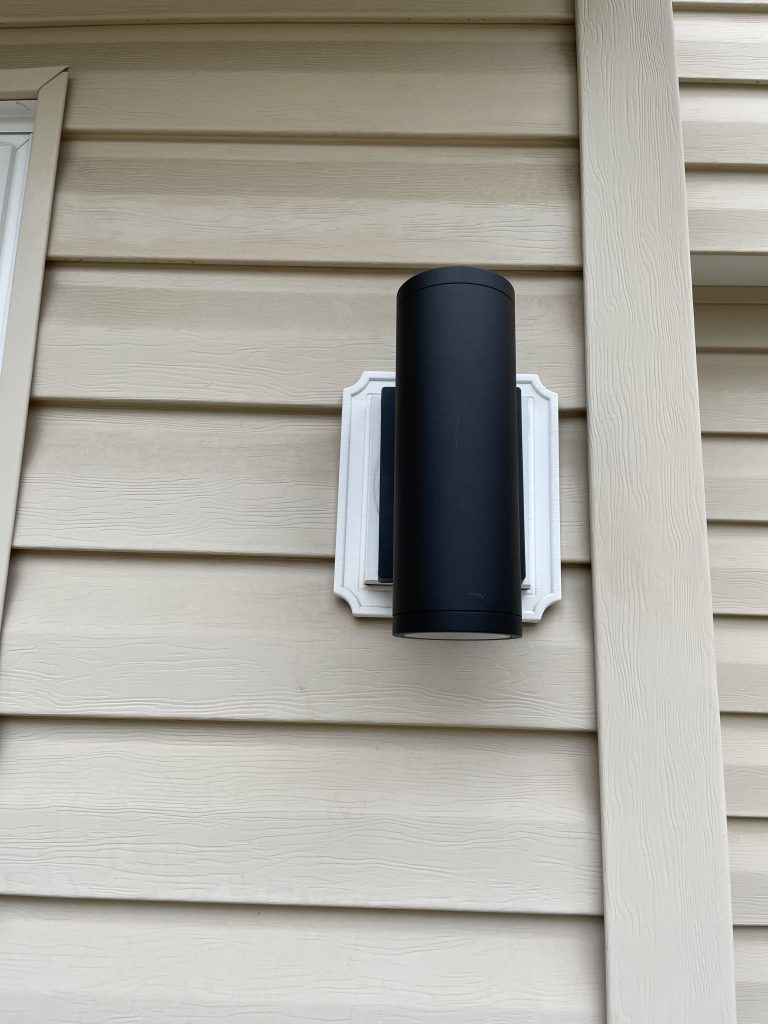
Then we dove way deeper; replacing our front door lights with the Econic Square lights, our driveway light with the Appear Outdoor Wall Light, the lights on the deck and basement walkout with PAR38 - E26 smart bulbs, and some white and color ambiance BR30 - E26 bulbs for my office, plus some dimmers to control the lights.
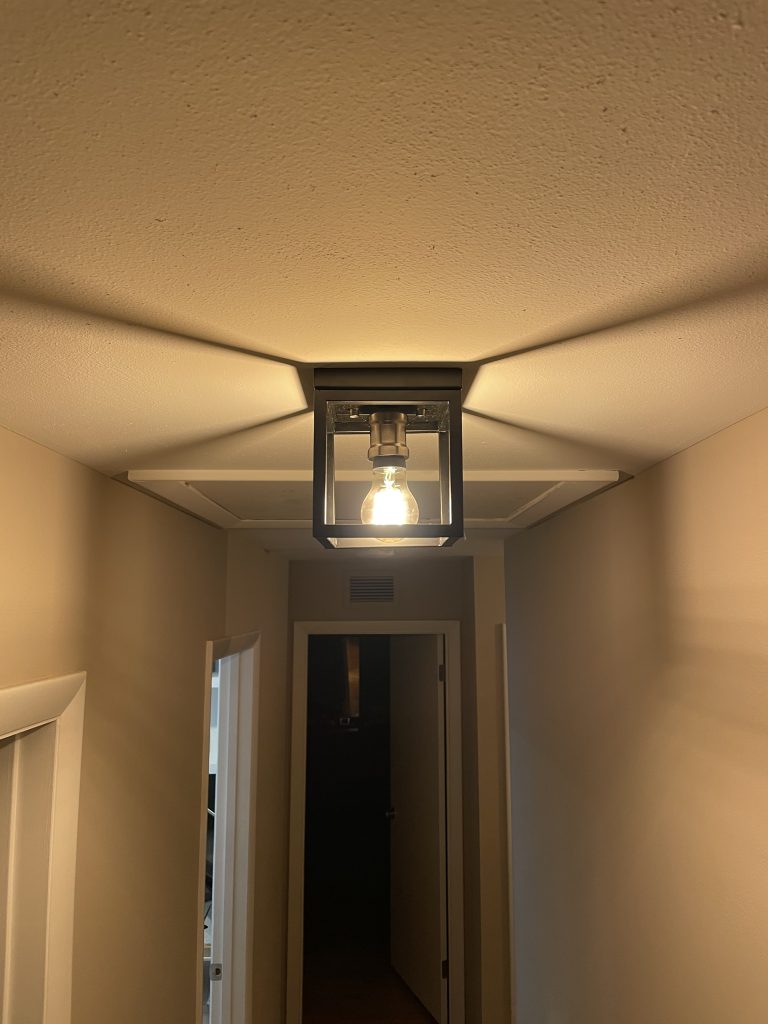
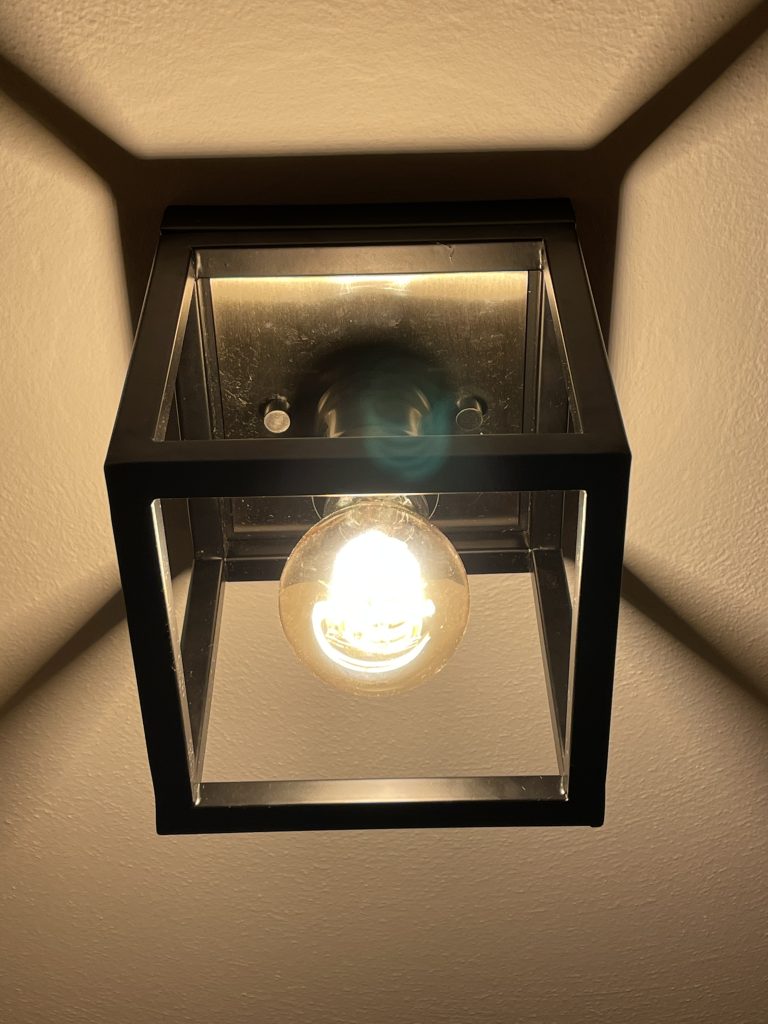
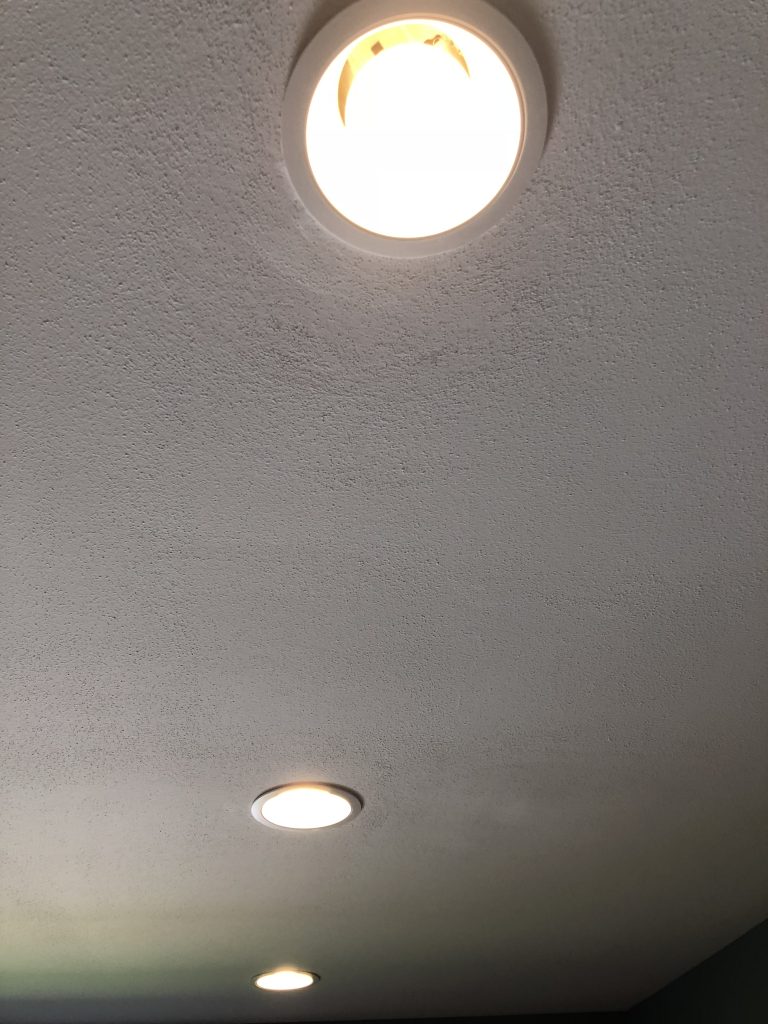
I eventually added a second bridge for the basement and everything on the main floor was controlled by the original bridge. Most recently, as part of our recent remodel, we installed a number of 5/6-inch and 4-inch recessed lights and these Hue Filament lights in some pendant light fixtures. According to Home Assistant, we have 79 Hue devices installed. That's definitely the biggest investment in smart tech and it's grown over almost a decade.
Nanoleaf
While I didn't back Nanoleaf's Kickstarter for the Bloom lightbulb, I followed it very closely. When they launched their Canvas light panels in 2019, I ordered some that I wanted to use in the master bedroom for decoration. When the control module died earlier this year, I bought a second smarter kit, expanded the design in our bedroom, and added a second power module so it would work better. I have to work on the installation - the panels can be a challenge to adhere to the wall and physically connect. Otherwise, I really like what they do for the space. They're fun.


Eufy
A few years ago, I decided it was time to replace the front door lock that came with our AT&T Digital Life service. I also wanted to replace our dumb doorbell with a smart, video-capable doorbell. Because I was trying to simplify the install to use our existing wiring, I needed a doorbell that was a certain size. The other option would be one that came with a mount that enabled a flexible install. I settled on the Video Doorbell S220 and the Smart Lock S230.
We've since added 5 security cameras, a combination of eufyCam S221 (eufyCam 2 Pro) and eufyCam S330. I liked that everything is stored locally and I don't need to subscribe to a service and pay a monthly fee.
Schlage
Because our Eufy Smart Lock S230 died early and Best Buy fought us on replacing it, I decided to replace it with a Schlage Encode™ Smart WiFi Deadbolt. I was most interested in something that worked with Apple HomeKit, and HomeKey specifically. As much as I like Eufy's cameras, the Schlage is a far superior lock.
Smart Home Potpourri
We're deeply entrenched in the Apple ecosystem, with Apple TVs in two rooms, a few HomePod Minis, and numerous other devices. We've added a combination of Samsung, LG, and Sony smart TVs over time. That means we're also in the SmartThings and Google ecosystems. We have the Sonos system I mentioned in Tech Install Phase 1.
Over time I've added a few Wemo smart plugs and Kasa outdoor smart plugs. I also added an eKyro Smart Garage Door Opener to augment our dumb garage door opener because I had no interest in myQ and paying for yet another service. Even more recently, I added a bunch of Aqara sensors, Third Reality smart outlets and Zigbee repeaters, and we upgraded our ecobee to the Smart Thermostat Premium and some SmartSensors.
So Many Apps
At present, there are 12 different apps on my phone to manage the different smart home ecosystems we have installed. That means the house was smart, but poorly planned and executed, to an extent. In Tech Install Phase 3, I shared a little bit about moving to Home Assistant. I installed a Home Assistant Green. As of this post I have everything added to Home Assistant except for a few devices I plan to install this weekend.
The other outlier are the Eufy devices which will require a more complex integration. Once I get those moved over, I'll install the HomeKit Bridge integration. That should allow everything to be controlled by Siri, which will make everything easy for the family. It will truly be a smart home then.
I'll continue to build automations and scenes in Home Assistant and will soon clean up the dashboard(s) so it's useful at a glance. That's all to say stay tuned for many more Smart Home posts as I tackle new projects, install new devices, create new automations, and more.
No Comments.